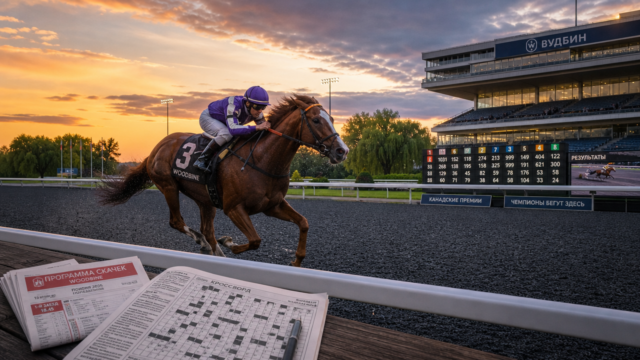
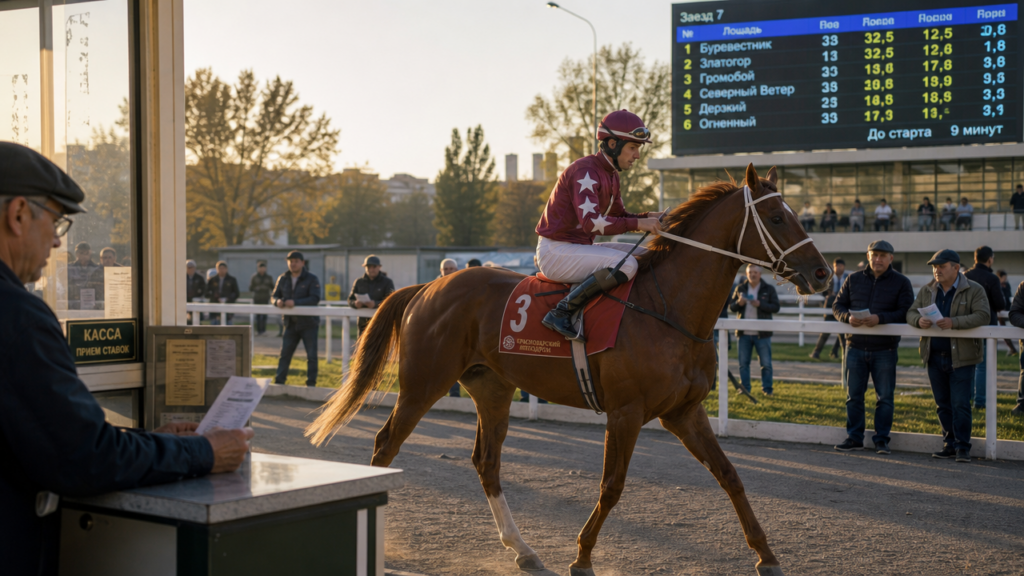
Before you bet on horses, know the wager names and how a leg aid in equestrian sport differs from a horse-racing bet. This guide covers the core horse racing bets, common betting strategies, and the schenkel definition.
What Are Horse Bets Called? The Core Pool Names
Win, place, and show are common straight wagers. A win bet pays if your horse finishes first. A place bet pays if the horse finishes first or second. A show bet pays if the horse finishes first, second, or third. In pari-mutuel betting, payouts depend on the pool rather than fixed odds.
Forecast and Tricast Names
Horse racing bets also include forecasts and tricasts. A forecast requires the first two finishers in the correct order. A reverse forecast covers both possible orders. A tricast requires the first three finishers in the correct order.
Each-Way and Match Bets
Each-way is a two-part wager that doubles the stake. Half goes on the win and half on the place. If the horse wins, both parts collect. If the horse places but does not win, only the place portion pays, usually at a fraction such as one-quarter or one-fifth of the win odds.
A match bet is a head-to-head wager in which one horse must finish ahead of a specific rival.
How to Place Bets on Horses
For a basic bet, specify the race, amount, wager type, and horse number. The same core details apply when placing bets on online platforms.
Forecast and tricast bets can be placed as straight or reverse combinations, depending on whether the finishing order must be exact or can be covered in more than one order.
Bankroll Strategies: Trixie, Al Capone, and the 2.00 Odds Floor
A Trixie combines three selections into three doubles and one treble. The commonly described version uses three favorites with odds of at least 2.00. If two selections win, the winning double can return part or all of the total stake, depending on the odds.
The Al Capone approach targets favorites with relatively high odds of about 4.00 rather than very short-priced favorites. The higher-priced selection needs to win less often to offer comparable value, but it also carries greater risk. Age and track surface are factors to consider, and young horses may perform better over shorter distances.
What Schenkel Means in Equestrian Sport
Schenkel is a German term for the rider’s lower leg from knee to ankle. It is not a running line or a speed figure. In equestrian sport, the schenkel controls forward motion, bending, and turns. The inner calf applies pressure while the heel stays down and the legs remain parallel.
Uniform pressure from both schenkels asks for forward movement or collection. Uneven pressure from one schenkel asks for a turn or bend. If a smooth aid gets no response, a sharper calf aid may be used. A common fault is placing the leg too far forward, which blocks the girth and weakens the aid.
The question “what is the leg in equestrian sport” usually points to the schenkel aid rather than the horse’s leg.