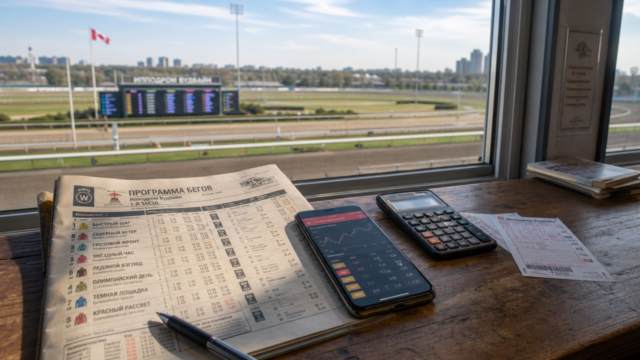
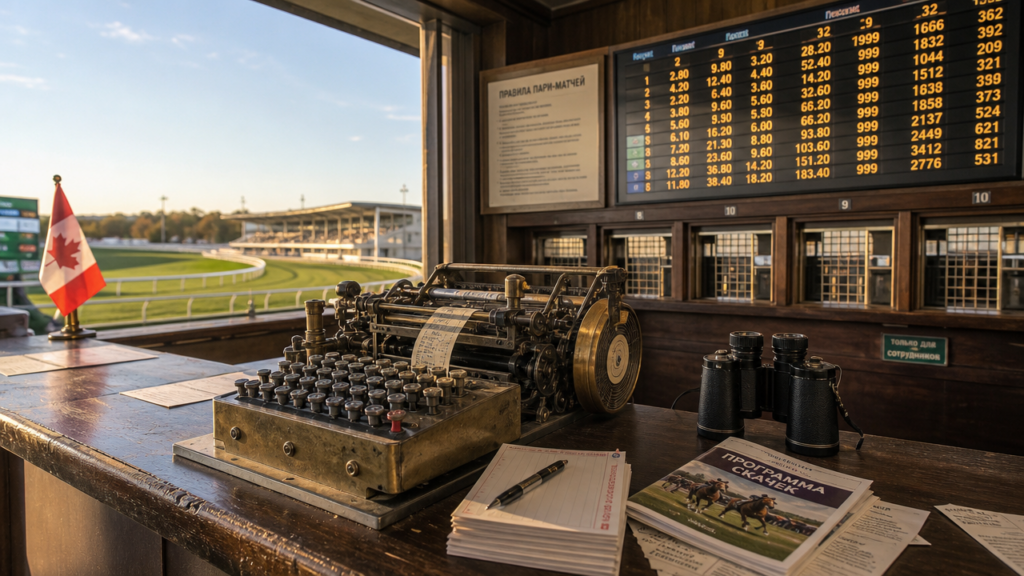
A totalizator is a betting system, bureau, or game used for horse racing and greyhound racing. It also refers to a mechanical counter that records the amount wagered on each competitor and the total amount bet. The term comes from the French totalisateur, meaning “to sum up.”
What Are Bets on Horse Racing Called?
Horse racing betting is commonly called betting on horse races or the totalizator. In a pooled system, wagers are combined, a commission is deducted, and the remainder is distributed among winning tickets. The organizer controls the commission and faces business risks rather than gambling risks.
For a word puzzle, the 11-letter answer to a clue about betting on horse racing is totalizator. The word can describe the betting game, the bureau that accepts wagers, or the counter that tracks them.
Common Horse Racing Bet Types
A Win bet requires the selected horse to finish first. A Place bet covers a first- or second-place finish, while a Show bet covers first, second, or third.
An Each-way bet combines a win bet and a place bet, so the stake is doubled. A Forecast predicts the horses finishing first and second. A Tricast predicts the first three finishers in order. A Match bet compares two horses in a head-to-head contest. Another option, sometimes called Who is Higher, requires choosing which of two horses will finish ahead of the other.
How the Totalizator Distributes Winnings
The totalizator pools all wagers in a particular market. After the commission is removed, the remaining money is shared among the winning tickets. Because the final payout depends on the size of the pool and the winning selection, it can change until betting closes.
This structure differs from a fixed-odds arrangement. The organizer does not take on the same gambling risk as a player because the payout comes from the pool after the commission is deducted. The organizer’s exposure is mainly commercial and operational.
Betting Strategies
The Trixie uses three selections in three doubles and one treble. Some guides recommend using three favorites with odds of at least 2.00. If two selections win, the returns may recover the stakes; if more selections win, the bet may produce a profit. The result still depends on the odds and the total amount staked.
A simpler “lazy” strategy combines two favorites in a double. This requires fewer selections than a Trixie but also gives fewer possible winning combinations.
The Al Capone strategy focuses on favorites with relatively high odds, around 4.00. Its purpose is to seek a larger return from selections that remain favorites but offer more value than very short-priced runners.
Each strategy has a different balance between cost, risk, and potential return. The totalizator determines the final payout in pooled markets after the commission is deducted.