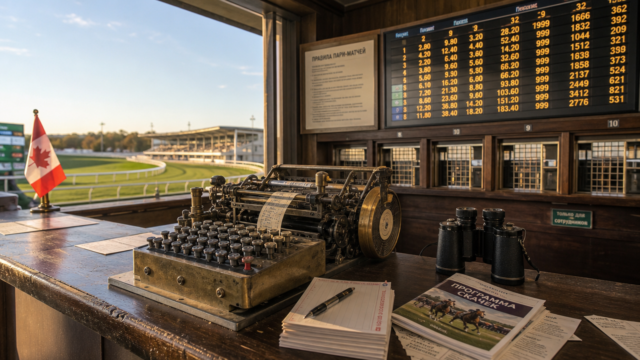
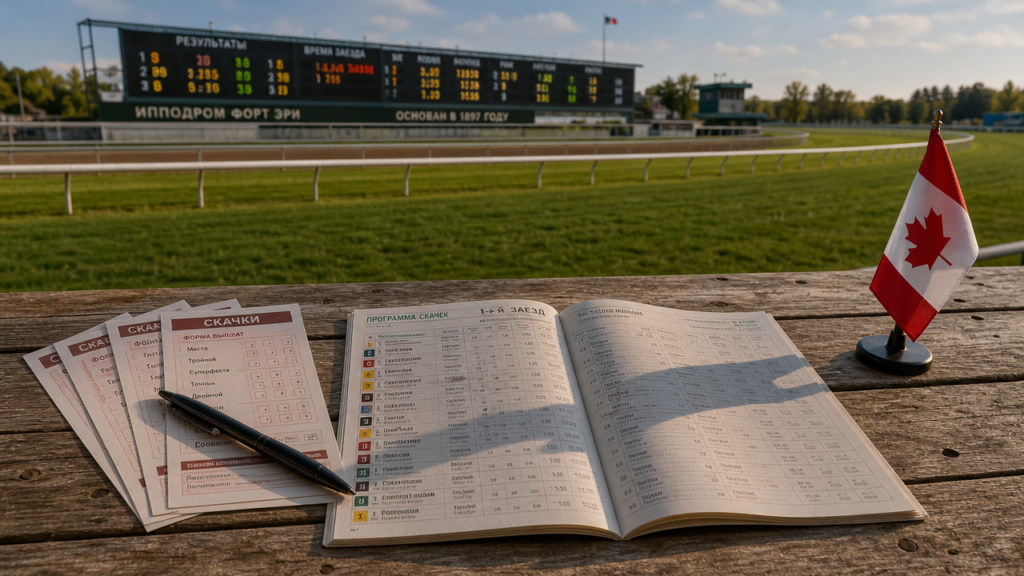
How to bet on horse racing starts with a specific pool, a finite ticket, and a number you can defend. Choose a bet type before studying the race, and never stake more than you can afford to lose. Horse racing offers several options, including Win, Place, Exacta, and Trifecta bets.
Straight Bets: Win and Place
A Win bet requires the horse to finish first. Compare the available odds with your estimate of the horse’s true chance. A 2-1 selection must win about 33% of the time to break even, while a 5-1 selection must win about 17%. A 10-1 selection needs to win about 9% of the time.
A Place bet pays when the horse finishes first or second. The return is usually lower than a win bet, but the horse does not need to finish first. Place betting can suit a runner with consistent form, suitable stamina, and a favorable pace setup.
Use the racing program to assess the distance, surface, weather, and recent form. Match the horse’s stamina to the distance. Younger horses can suit sprints, while more experienced runners may be better suited to endurance events. Short races can be less predictable, so avoid treating a single strong performance as conclusive evidence.
Exacta and Trifecta Bets
An Exacta requires the first two finishers in the correct order. An Exacta box covers both possible orders for two selected horses, while keying one horse on top can reduce the cost. Keep the number of combinations within a fixed budget before placing the ticket.
A Trifecta requires the first three finishers in the correct order. These bets are harder to hit, so use them selectively and avoid adding combinations simply because the potential payout looks attractive.
System bets can combine several selections and bet types. A Trixie combines three double bets with one treble on three selections. Dutching spreads a stake across multiple favorites, while another approach is to look for undervalued outsiders rather than automatically backing the shortest-priced horse.
Reading the Race Card
Read form lines from left to right. Check the date, track, distance, surface, fractional times, final time, and speed or pace figures. A rating achieved over one distance or surface may not transfer directly to another.
The handicap assigns the number-one horse the most weight, so compare the burden carried by each runner. Also assess age, rest, class, and the quality of recent opposition. A month’s rest may suit a sprinter, but each horse’s previous pattern should guide the decision rather than a fixed rule.
Look for indicators in the form. D can identify a previous win at the distance, C a course win, and F a fall. Owner investment levels can also help indicate the quality of a horse’s preparation, but they should be considered alongside form, pace, and the race conditions.
Study the pace expected in the race. Early speed can be valuable in a short contest, while a strong pace may help a closer. Compare each horse’s running style with the likely pace rather than focusing only on the last finishing position.
Prices, Timing, and Value
Early prices may be set around 24 hours before the race, while the starting price is fixed when the race begins. Because prices can change, compare the available odds with your own assessment and look for value rather than betting every favorite.
Use the race card as the main reference and compare published ratings, pace figures, distance records, course records, and recent form. If the market price is shorter than your estimate of the horse’s chance, pass the race. A bet is justified only when the potential return compensates for the risk.
Bankroll Management
Set a daily cap and do not chase losses. A fixed bankroll should support a limited number of planned tickets, not bets on every race. Choose one or two races where you have a clear view of the pace, distance, class, or value.
Decide the stake before the race and keep it consistent with your bankroll. Never bet more than you can lose. Avoid placing Win, Place, Exacta, and Trifecta bets on every race, since the combined costs and losing streaks can quickly reduce the bankroll.
Review the ticket before submitting it: confirm the bet type, selections, order, stake, and odds. Compare bookmakers where possible, and choose an option offering competitive odds rather than relying on a single price.