
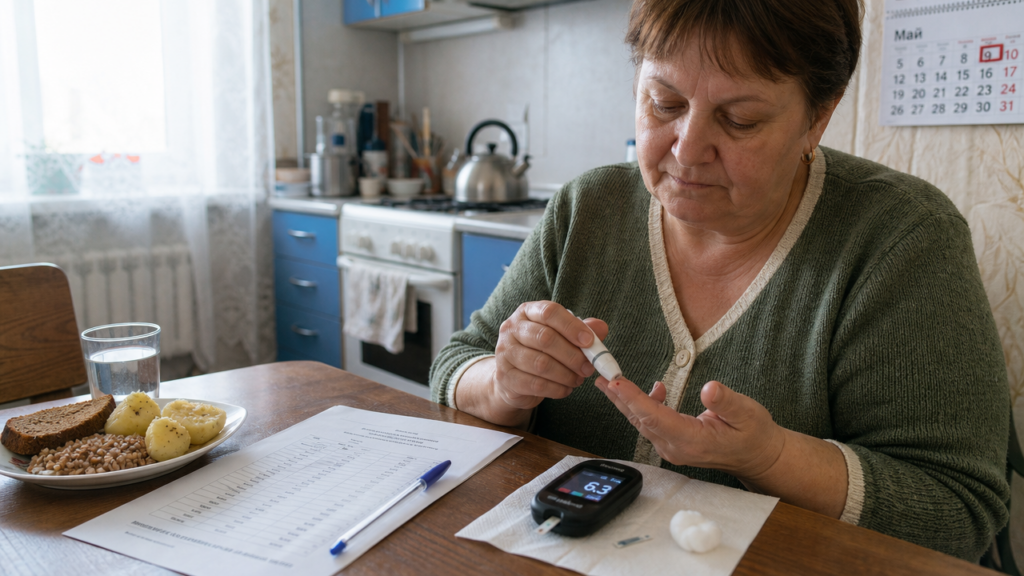
A blood test for blood sugar spikes must capture glucose after a carbohydrate load, not just a fasting value. A fasting draw can look normal while a person hits 10.0 mmol/L two hours after eating. The right test depends on whether you need a single post-meal snapshot, a three-month average, or a measure of insulin resistance.
Why a Fasting Glucose Test Can Miss a Spike
Fasting glucose measures baseline glucose after 8 to 12 hours without food. Many people keep fasting readings below 6.1 mmol/L overnight yet spike above 11.0 mmol/L after white rice, potatoes, or pasta. The overnight pancreas may still release enough insulin, but beta-cell function can fail after a large carbohydrate load.
Researchers tracked 55 people and found that carbohydrate responses varied by insulin resistance and beta-cell function. Pasta spiked glucose mainly in insulin-resistant individuals, while potatoes spiked those with both insulin resistance and weak beta-cell function. A single fasting draw would not reveal that pattern.
The Oral Glucose Tolerance Test Is the Standard Test for Blood Sugar Spikes
A 2-hour oral glucose tolerance test (OGTT) is the closest standard blood test for identifying post-load spikes. You give a fasting sample, drink 75 grams of glucose, then give blood again at the 2-hour mark.
- Below 7.8 mmol/L at 2 hours is normal
- 7.8 to 11.0 mmol/L signals impaired glucose tolerance
- 11.1 mmol/L or higher indicates diabetes
Multiply mmol/L by 18 for mg/dL, so 7.8 mmol/L equals 140 mg/dL. The OGTT does not test a mixed meal, because fat, protein, and fiber slow absorption. A home fingerstick after your largest meal may still be needed if symptoms point to spikes from everyday food.
HbA1c: A Three-Month Average, Not a Spike Detector
HbA1c measures glycated hemoglobin inside red blood cells. The longer glucose stays high, the more hemoglobin becomes glycated. It reflects average blood sugar over about three months, with the most recent 30 to 60 days weighted heavily.
HbA1c does not show individual post-meal spikes. A person with an A1c of 5.9% can still have repeated 2-hour readings above 11.0 mmol/L after meals. Use HbA1c to monitor overall glucose exposure, not to time a single spike.
Normal HbA1c is below 5.7%, pre-diabetes is 5.7 to 6.4%, and diabetes is 6.5% or higher. The test does not measure insulin levels, so it cannot separate insulin resistance from low insulin output.
Insulin, C-Peptide, and Beta-Cell Function
A glucose spike is not only about food. It is the balance between glucose load and the pancreas response. Insulin resistance means cells do not take up glucose, so sugar accumulates in the blood. C-peptide reflects how much insulin the pancreas is producing.
Researchers used the potato-grape response difference as a potential biomarker for insulin resistance. In their 55-person study, pasta spiked sugar mainly in insulin-resistant people, while potatoes spiked those who also had weak beta-cell function. Testing insulin or C-peptide alongside glucose can show whether the problem is resistance, low insulin output, or both.
What the Numbers Mean
| Test | What It Detects | Normal | Pre-Diabetes | Diabetes |
|---|---|---|---|---|
| Fasting glucose | Baseline after overnight fast | Below 5.5 mmol/L fingerstick, below 6.1 mmol/L venous | 6.1 to 6.9 mmol/L venous | 7.0 mmol/L or higher |
| OGTT 2-hour glucose | Response to 75 g glucose load | Below 7.8 mmol/L | 7.8 to 11.0 mmol/L | 11.1 mmol/L or higher |
| HbA1c | Three-month average glucose | Below 5.7% | 5.7 to 6.4% | 6.5% or higher |
| Insulin / C-peptide | Insulin resistance or low beta-cell output | Interpreted with glucose | High fasting insulin with normal glucose suggests resistance | Low C-peptide with high glucose suggests insulin deficiency |
Some clinicians use tighter targets for early glucose abnormalities: fasting below 6.0 mmol/L and 2-hour post-meal below 7.8 mmol/L.
How to Prevent Blood Sugar Spikes
The first step is to reduce fast-digesting carbohydrates. White bread, sugary drinks, and large portions of potatoes can produce rapid glucose rises. Study data show potatoes spike glucose in people with both insulin resistance and weak beta cells, while pasta can spike those with insulin resistance alone. Total carbohydrate load matters more than the single food source.
Adding fiber and protein before carbohydrates helps healthy people lower the post-meal peak. That same ordering strategy is less effective for insulin-resistant individuals. For those people, overall carbohydrate reduction and medical treatment often matter more.
Exercise remains a direct lever. A walk after a meal increases muscle glucose uptake and reduces the post-meal peak. Movement is especially useful after a high-carbohydrate meal.
Stress and poor sleep raise cortisol, which increases glucose. Persistent spikes despite a clean diet can come from chronic stress, outdated medication, thyroid dysfunction, infections, or missed low-glucose episodes. A doctor should review those factors if glucose stays elevated.
Hyperglycemia without diabetes can result from pancreatitis, Cushing’s syndrome, corticosteroid use, or thyroid disorders. Pre-diabetes affects about one in three adults, and heart attacks often appear before other complications such as blindness, amputation, or kidney failure.
When to Test for Blood Sugar Spikes
Excessive urination, thirst, fatigue, nausea, and blurred vision are common signals of hyperglycemia. A fasting glucose below the diabetes threshold is not enough to rule out a problem. If A1c is rising or fasting glucose sits above 6.0 mmol/L, an OGTT or paired home glucose checks after meals provide a clearer picture.
Low ferritin below 45 µg/L warrants rechecking iron status before relying on HbA1c alone. Anyone with rising glucose and thyroid antibodies does not need repeated antibody tests if thyroid function is normal, but TSH and free T4 should be checked annually.
This article is informational and does not replace medical advice. A clinician can interpret results, order the right blood test for blood sugar spikes, and adjust diet, exercise, or medication based on your full risk profile.